
Excavator Stalling Under Load & Auto-Shutdown:
Learn how to troubleshoot excavator engine stalling, including sudden auto-shutdown and engine bogging under load, with actionable fuel and hydraulic checks.

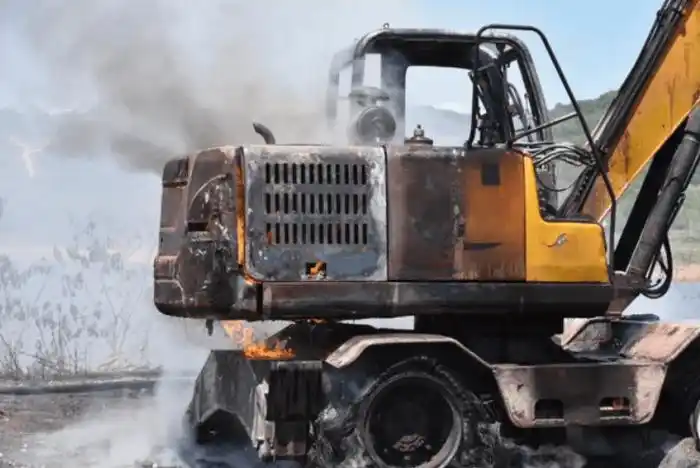
An unexpected engine stall during high-production operations is one of the most frustrating failures a machine owner or technician can face. Whether the engine cuts out instantly or bogs down under heavy load, identifying the root cause quickly is critical to preventing costly downtime and avoiding severe engine damage.
Based on field engineering practices, excavator engine stalls fall into two distinct categories: Sudden Auto-Shutdown and Stalling Under Load (Engine Bogging).
This guide breaks down the failure modes, underlying mechanics, and step-by-step troubleshooting workflows for both scenarios.
Part 1: Categorizing Excavator Engine Stalls
To diagnose a stalling engine efficiently, you must first observe how the engine shuts down:
- Sudden Auto-Shutdown: The engine dies instantly or gradually shuts down without a heavy mechanical load being applied.
- Engine Bogging / Stalling Under Load: The engine loses RPM, emits heavy black smoke, and bogs down until it completely stalls as soon as a hydraulic function is actuated.
                  ┌─ Sudden Auto-Shutdown  ──> Fuel Starvation / Electrical / Thermal
Excavator Stall ──┤
                  └─ Stalling Under Load   ──> Hydraulic Overload / Pump Control Failure
Part 2: Sudden Engine Auto-Shutdown (Causes & Inspections)
When an excavator shuts down automatically during light or normal operation, the issue almost always stems from fuel starvation, thermal expansion, or electrical control faults.
1. Primary Causes of Auto-Shutdown
- Fuel Starvation & Contamination: Low fuel levels, clogged fuel filters, or trapped air in the low-pressure fuel circuit. Poor-quality diesel can rapidly clog injectors and foul primary fuel filters.
- Air/Oil Flow Restrictions: Clogged air intake filters or restricted fuel supply lines.
- Engine Mechanical Seizure (Imminent Damage): If a sudden stall is preceded by a gradual drop in RPM accompanied by heavy black smoke and metallic noise, it often indicates severe lubrication failure (bearing shell burn, crank journal seizure, or piston scoring).
- Excessive Hydraulic System Pressure: A stuck main relief valve holding static pressure in the system can prevent the engine from idling smoothly.
- Electrical Control Signal Errors: Blown main relays, loose ground cables, or faulty engine control units (ECUs) sending improper shutoff signals to the fuel cut-off solenoid.
Fuel Injection Pump / Injector Wear (Hot Engine Stalls): If the engine shuts down only after reaching normal operating temperature and refuses to restart until cooled, the high-pressure fuel pump (plunger assembly) or fuel injectors are severely worn.
Field Test Tip: Pour cold water over the high-pressure fuel pump body when the hot stall occurs. If the engine restarts immediately, the pump plunger is thermally expanding and bypassing fuel internally.
Part 3: Engine Stalling Under Load (Hydraulic vs. Engine Mismatch)
When an excavator "bogs down and dies" under heavy digging loads, the engine is generating power, but the hydraulic system is absorbing more power than the engine can supply.
1. Step-by-Step Diagnostic & Action Plan
1.Inspect the Fuel Supply Circuit:Rule out low-pressure restrictions。
Check fuel lines for air leaks, loose hose clamps, or collapsed fuel hoses. Clean the water separator, replace all primary and secondary fuel filters, and test injector spray pattern (standard spray tip length should reach 6–7 cm during bench testing).
2.Evaluate Engine Thermal Protection:Check ECU & Cooling Parameters。
Check if the engine is overheating under prolonged heavy duty. Modern electronically controlled engines will trigger an automatic derate or thermal shutdown if coolant or oil temperatures exceed safe thresholds.
3.Diagnose Hydraulic Pump Overload:Match Pump Flow to Engine Horsepower。
If fuel delivery is verified and the engine still stalls under load, the failure is in the hydraulic pump displacement control system. The main hydraulic pump is stuck at maximum stroke (maximum displacement) and failing to destroke when load increases.
Part 4: Root Cause Summary Matrix
| Failure Mode | Key Symptoms | Likely Cause | Recommended Action |
| Sudden Cut-Off | Engine dies instantly without RPM drop | Electrical solenoid fault / ECU main relay cut-off | Check fuel cut-off solenoid voltage, relays, and wiring harness. |
| Hot Machine Stall | Dies when hot; restarts after cooling | High-pressure fuel pump plunger / injector wear | Perform cold-water pump test; replace/rebuild fuel injection pump. |
| Bogging & Black Smoke | RPM drops severely under load, followed by stall | Hydraulic pump failing to destroke (PC/LS valve fault) | Test PC/LS solenoid signals; adjust or replace main pump PC regulator. |
| Gradual Stall + Smoke | Engine loses power slowly with black smoke | Fuel line air leak or severe fuel filter clog | Bleed fuel system, replace fuel filters, and check tank pickup screen. |
👨🔧 Senior Engineer's Takeaway
When troubleshooting an engine stall, never start by replacing expensive hydraulic pumps or injection systems.
- Always replace your fuel filters, bleed the low-pressure fuel lines, and verify fuel pressure first.
- If fuel flow is verified, hook up pressure gauges to measure your hydraulic pump regulator pressures (PC/LS signals).
Isolating a fuel starvation problem from a hydraulic overload condition will save you hours of teardown time and thousands of dollars in unnecessary parts!
Faq
Q1: Why does my excavator engine stall under heavy hydraulic load?
A: Engine stalling under load (bogging down with black smoke) is typically caused by a power mismatch between the engine and the hydraulic pump. The primary causes are clogged fuel filters restricting horsepower output or a faulty hydraulic pump regulator (PC/LS valve) failing to destroke the pump under high pressure.
Q2: Why does my excavator shut down when the engine gets hot?
A: Hot engine shutdowns are usually caused by thermal expansion inside a worn high-pressure fuel injection pump or worn fuel injectors. As the pump heats up, internal clearances expand, causing fuel to bypass internally. Cooling the pump body with water can temporarily confirm this diagnosis.
Q3: How do I know if my excavator stall is caused by fuel or hydraulics?
A: Observe the engine RPM and exhaust. If the engine dies suddenly without warning or runs free without load before stalling, it is a fuel or electrical issue. If the engine bogs down, drops RPM, and emits heavy black smoke under hydraulic operation, it is a hydraulic overloading issue.
Q4: What should I check first when an excavator suddenly stops running?
A: First, check the diesel tank level and inspect the fuel-water separator for water or sediment. Next, inspect the primary fuel filter for clogs, verify that the fuel cut-off solenoid is receiving power, and ensure there is no air trapped in the low-pressure fuel lines.
Q5: Can a bad hydraulic main relief valve cause an excavator to stall?
A: Yes. If a main relief valve or unloader valve gets stuck closed, it can hold excessive static hydraulic pressure against the pump, causing the engine to labor excessively at idle or stall during function startup.
Request Technical Blueprints & Factory Quotes
Submit your machinery parameters below. Connect directly with verified, certified heavy industrial manufacturers to receive custom foundation drawings, layout schematics, and direct-from-factory pricing.